X-Rings & Quad Rings
MOLDED SEALS
X-Rings & Quad Rings
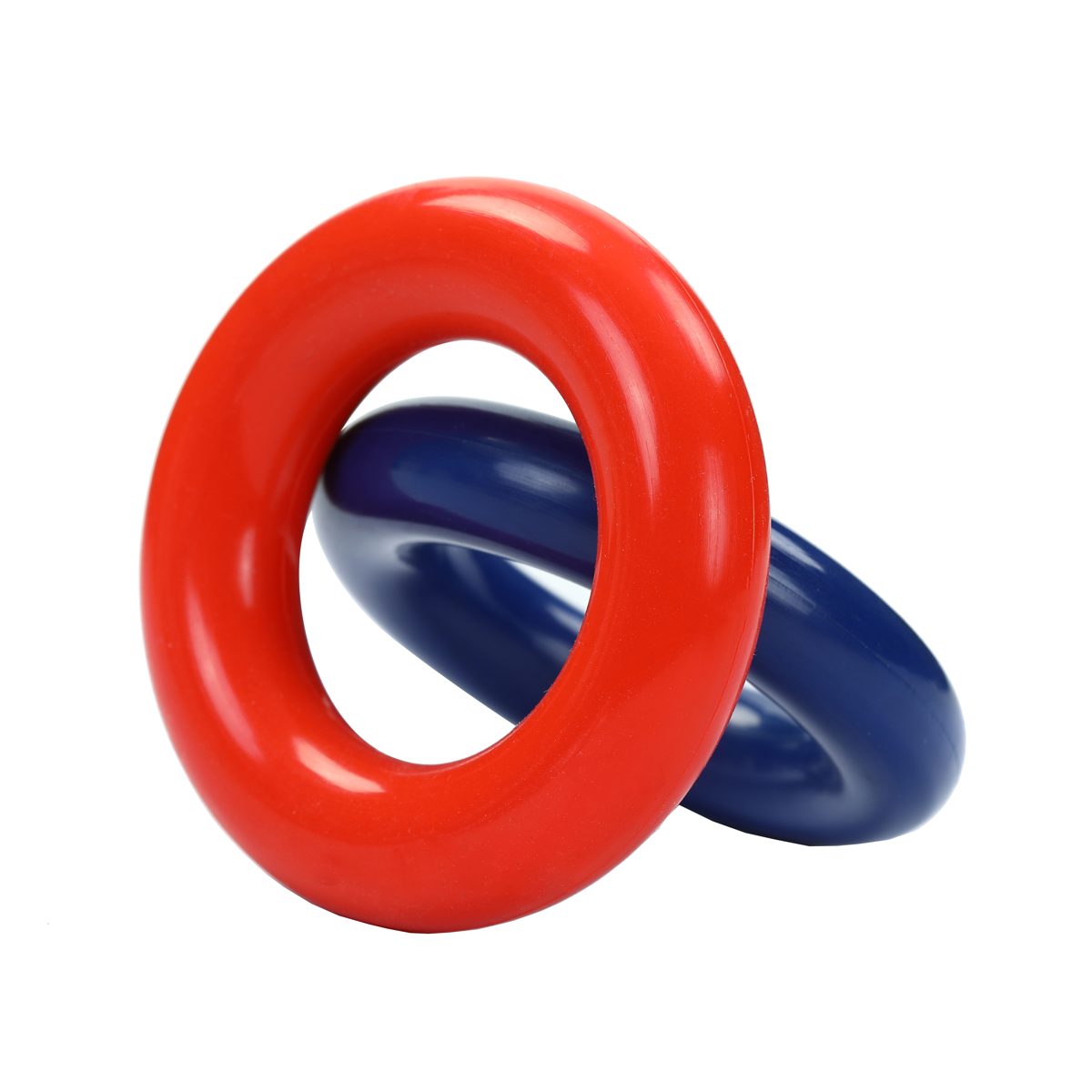
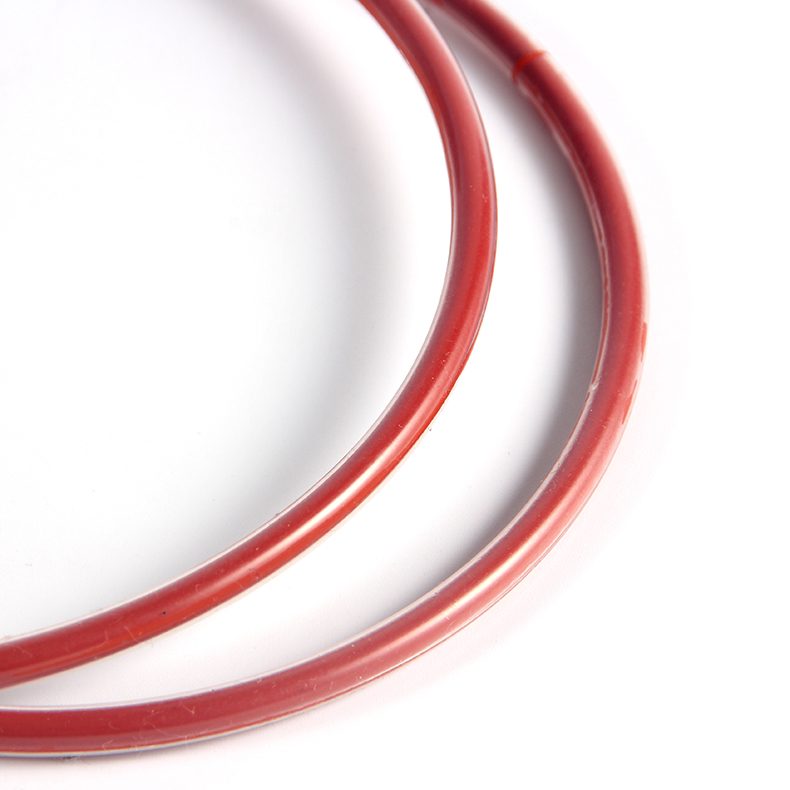
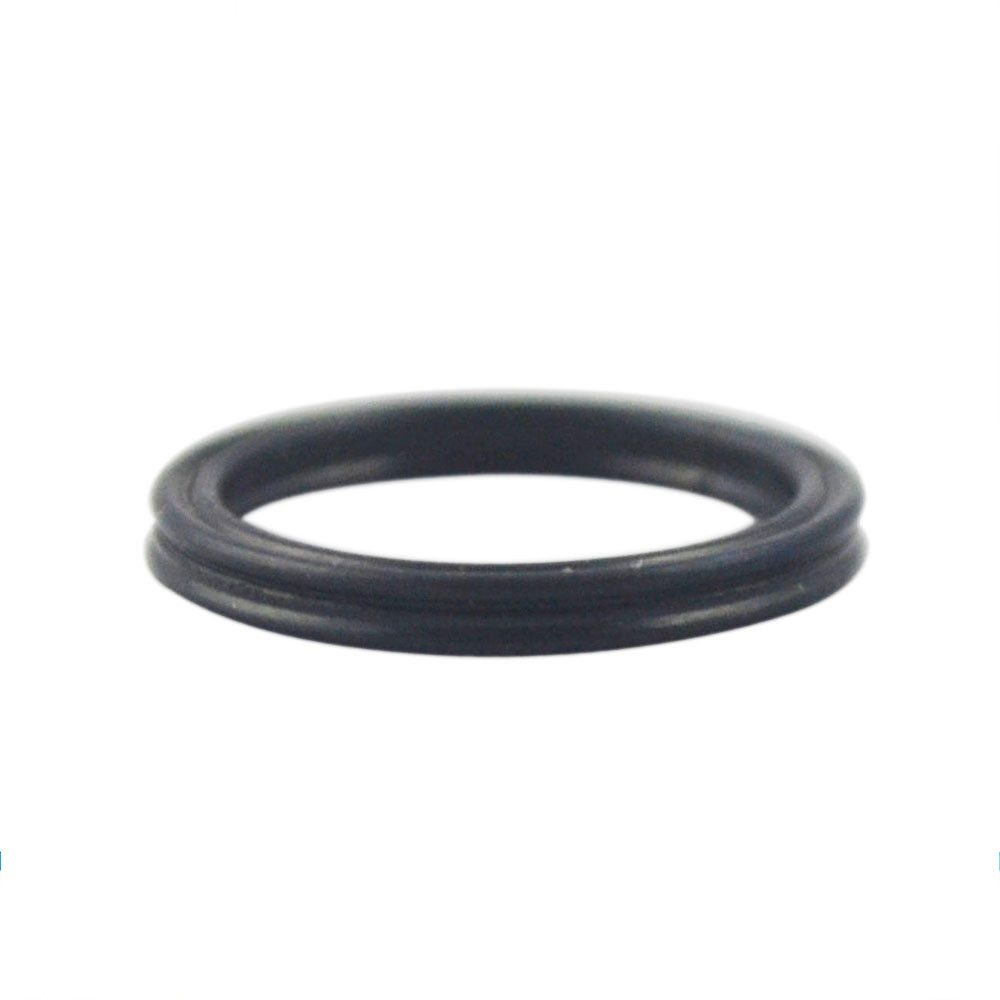
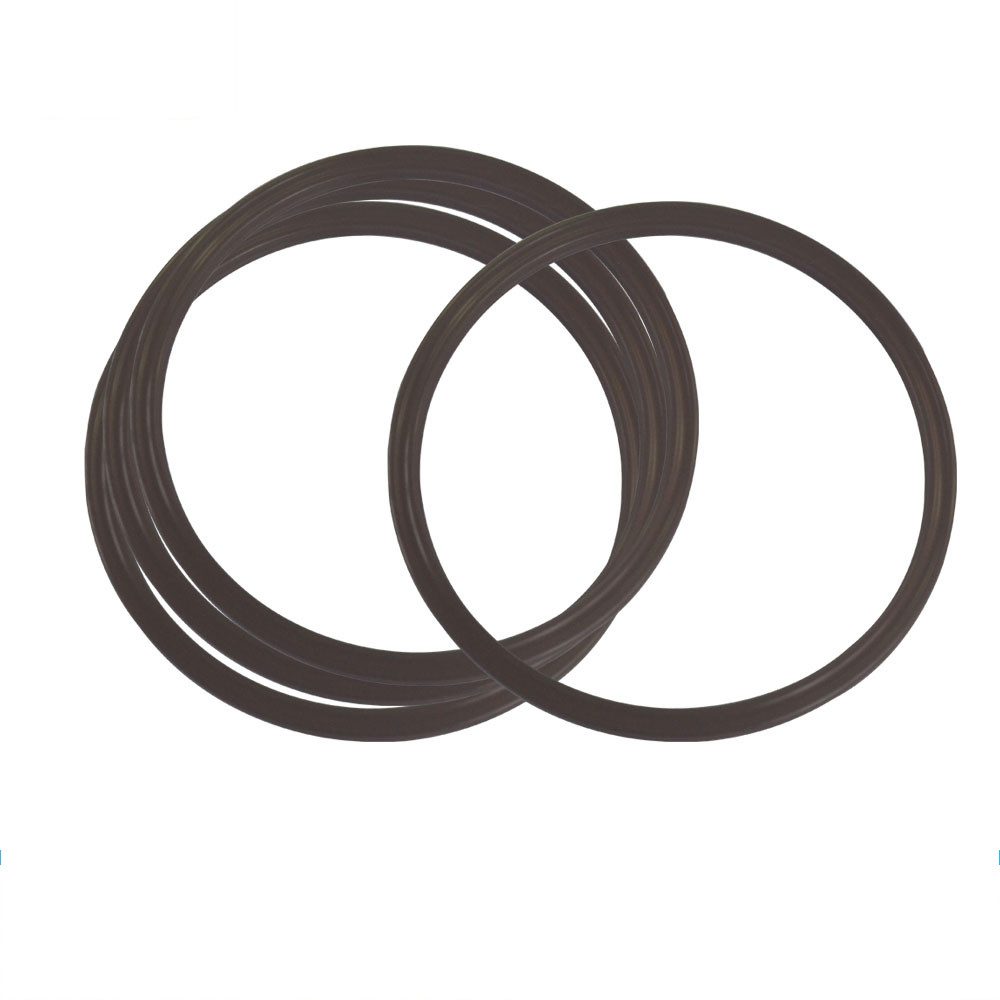
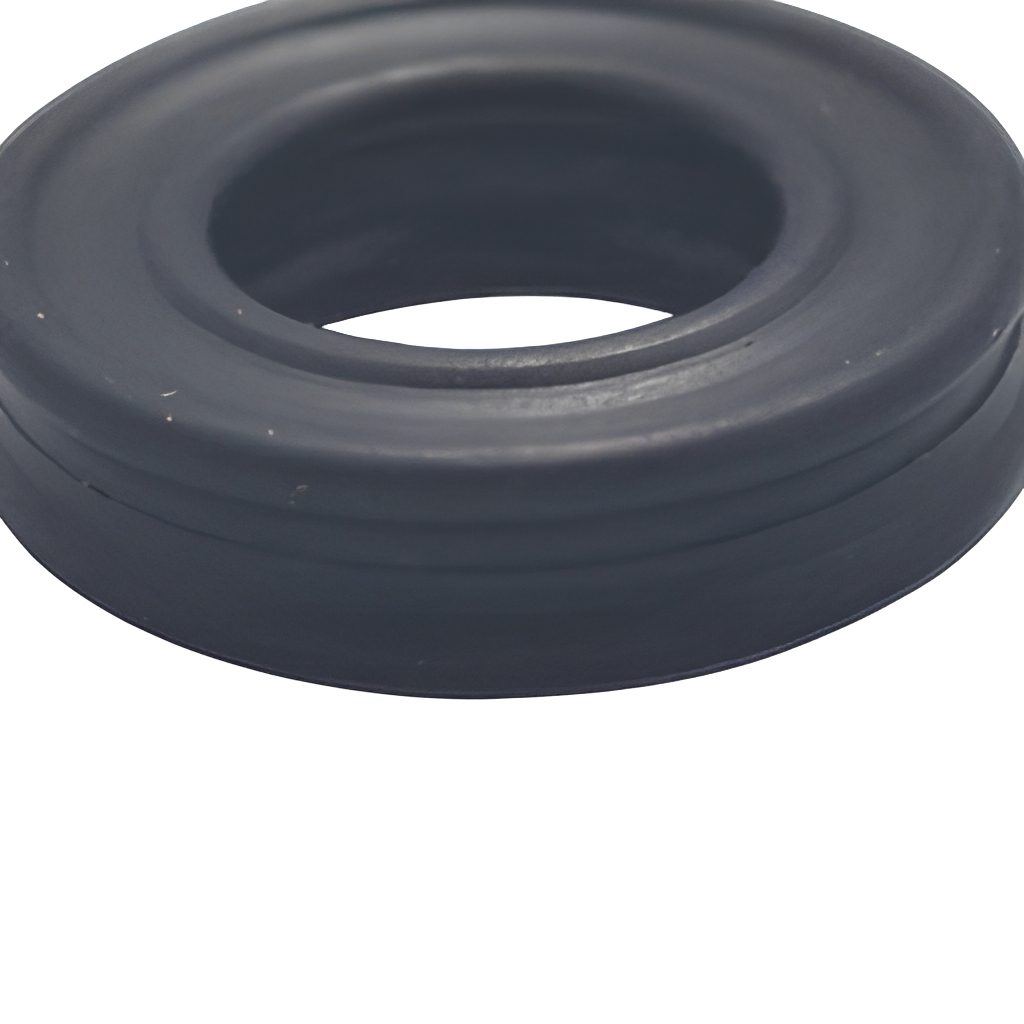
The four-lobed upgrade to the O-ring. X-rings resist spiral failure in reciprocating motion, hold lubricant between the lobes, and seal with lower friction — a drop-in upgrade that fits standard AS568 O-ring grooves with no redesign of your hardware. The mold parting flash sits in the lip groove — never on the sealing face, so it can't cause leaks.
- Four-lobe profile prevents twisting and spiral failure in dynamic service
- Double sealing line with pressure self-compensation — seals reliably even at low pressure
- Fits standard AS568 / metric O-ring grooves — no groove redesign needed
- NBR, FKM, EPDM and VMQ silicone compounds
- Every batch dimensionally checked; test reports on request
Compounds & Temperature Range
Pick the elastomer that fits your media and working temperature — or send your requirements and our engineers will recommend one.
| Material | Properties | Temp. Range |
|---|---|---|
| NBR (Buna-N) | Cost-effective all-rounder for hydraulic oil and compressed air. | -30°C to +100°C |
| FKM (Viton®) | Oil, high-temperature and chemical resistance. | -20°C to +200°C |
| EPDM | Hot water, steam and antifreeze service. | -50°C to +150°C |
| VMQ Silicone | Clean, oil-free sealing for high and low temperatures. | -60°C to +230°C |
Where It’s Used
Wherever motion makes O-rings twist and fail.
Hydraulics & Pneumatics
Construction machinery, machine tools, hydraulic valves and pneumatic actuators.
Automotive
Braking, steering and shock-absorber cylinders.
Instruments & Dispensing
Dispensing valves, pump bodies and instruments with frequent start-stop.
Food & Pharma
Silicone grades for clean equipment and sanitary lines.
Industrial Machinery
Automation and machine tools where dynamic sealing life matters.
Pumps & Valves
Longer service life in rotary and reciprocating pump seals.