FEP / PFA Encapsulated O-Rings
SPECIALTY SEALS
FEP / PFA Encapsulated O-Rings
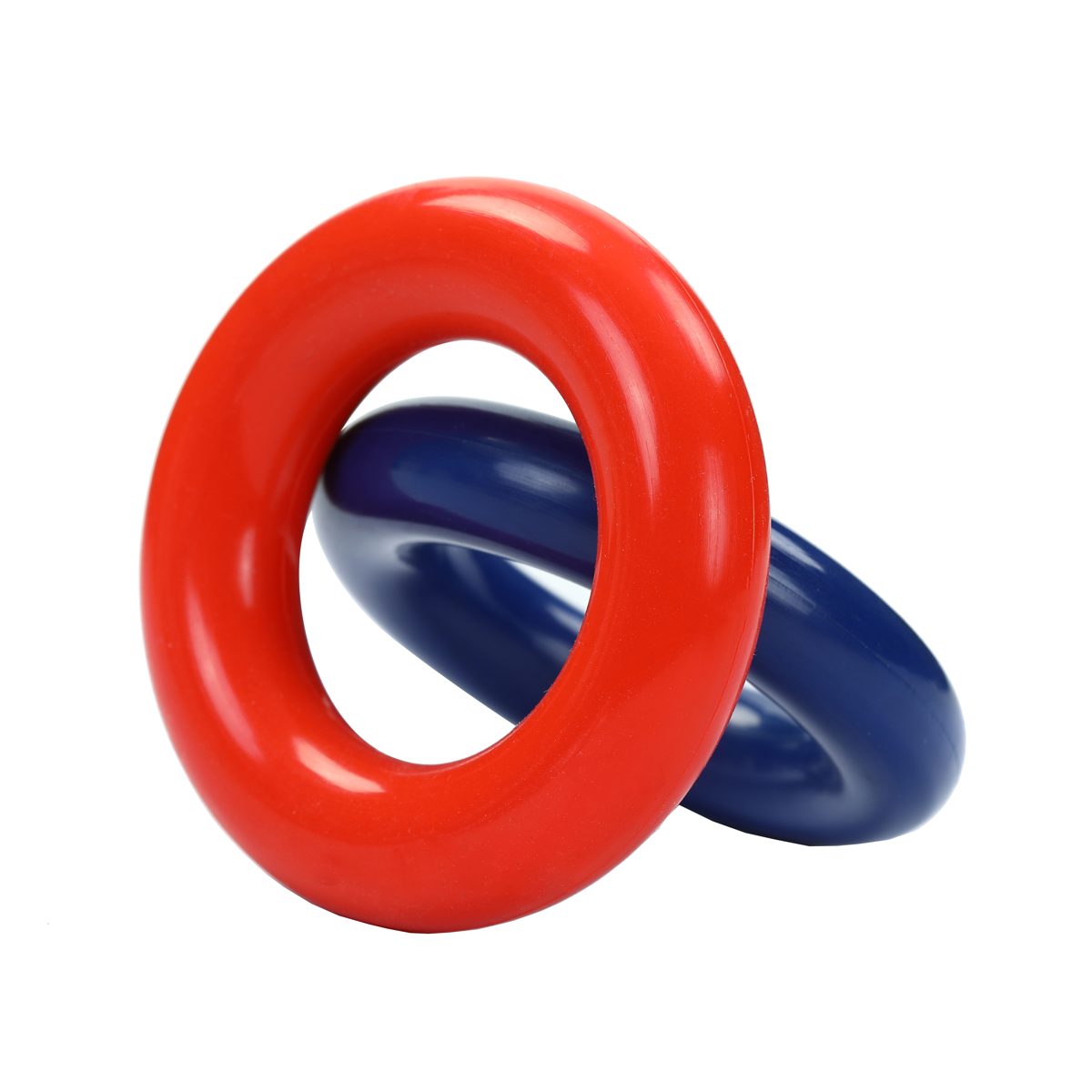
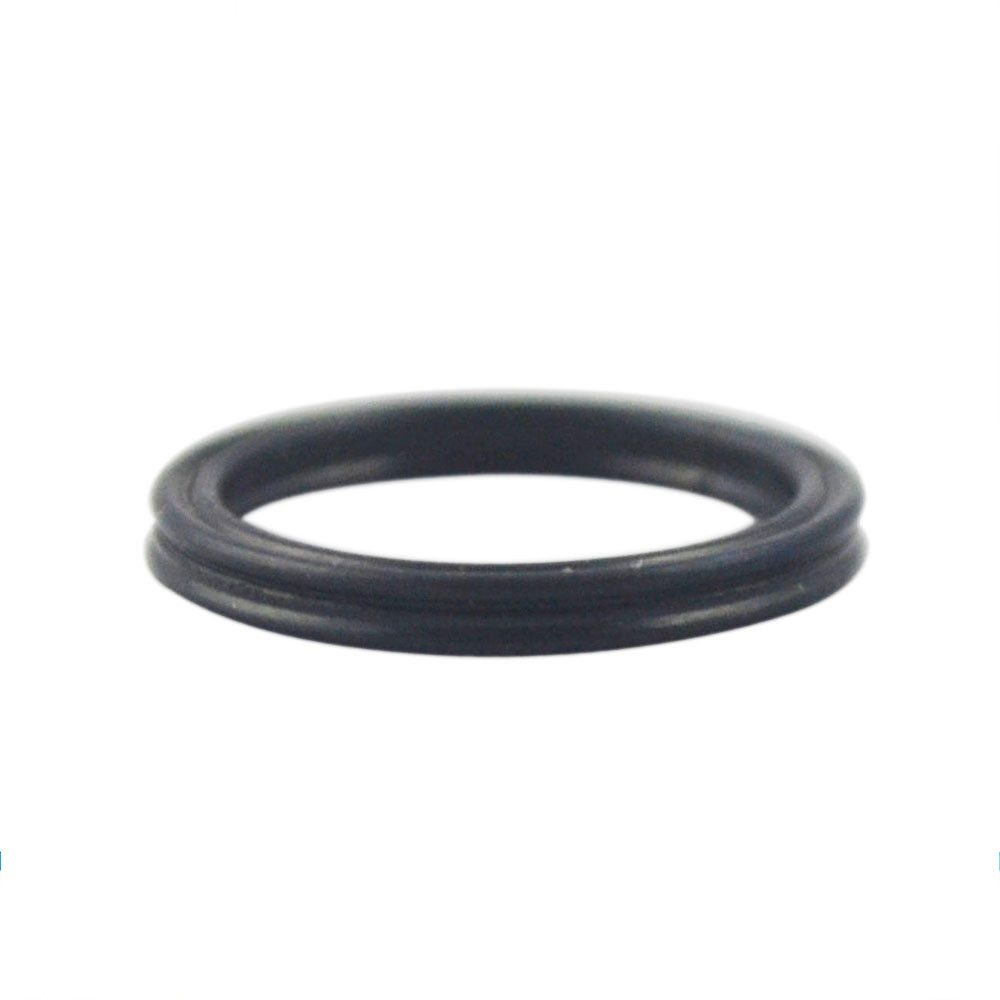
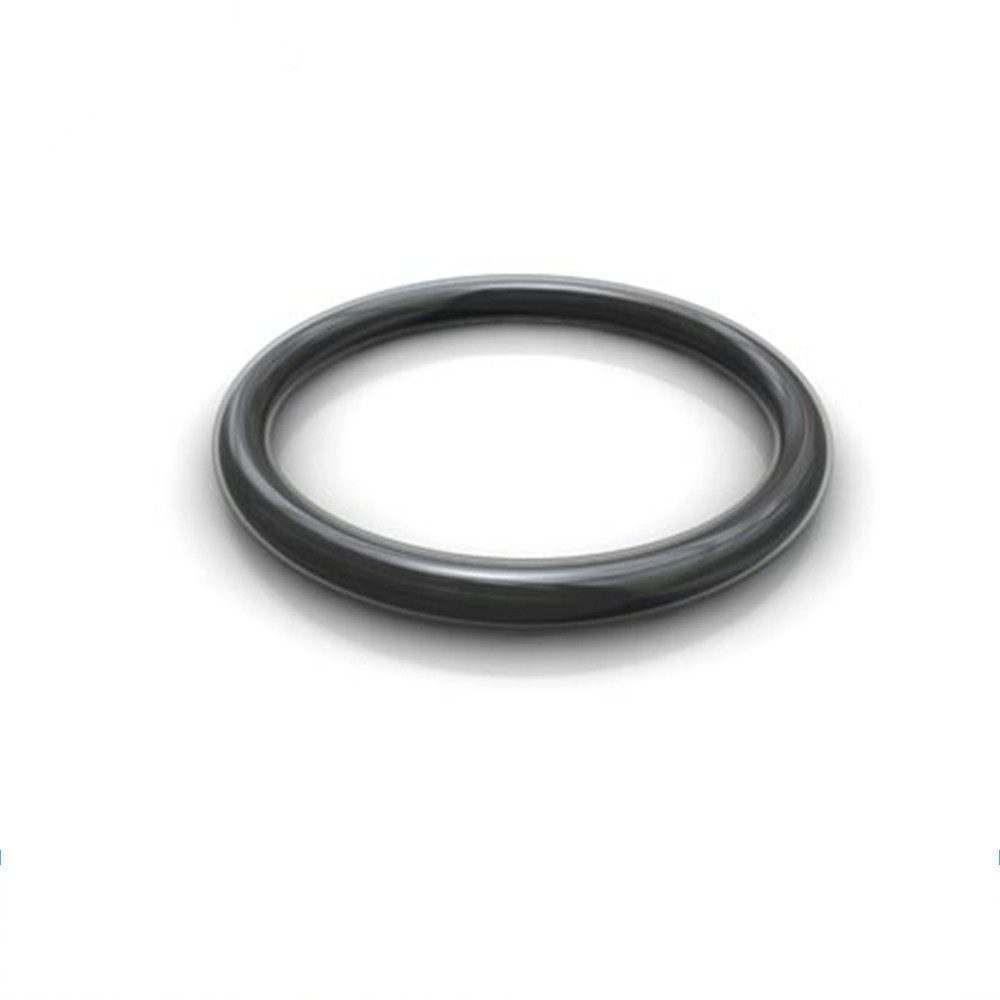
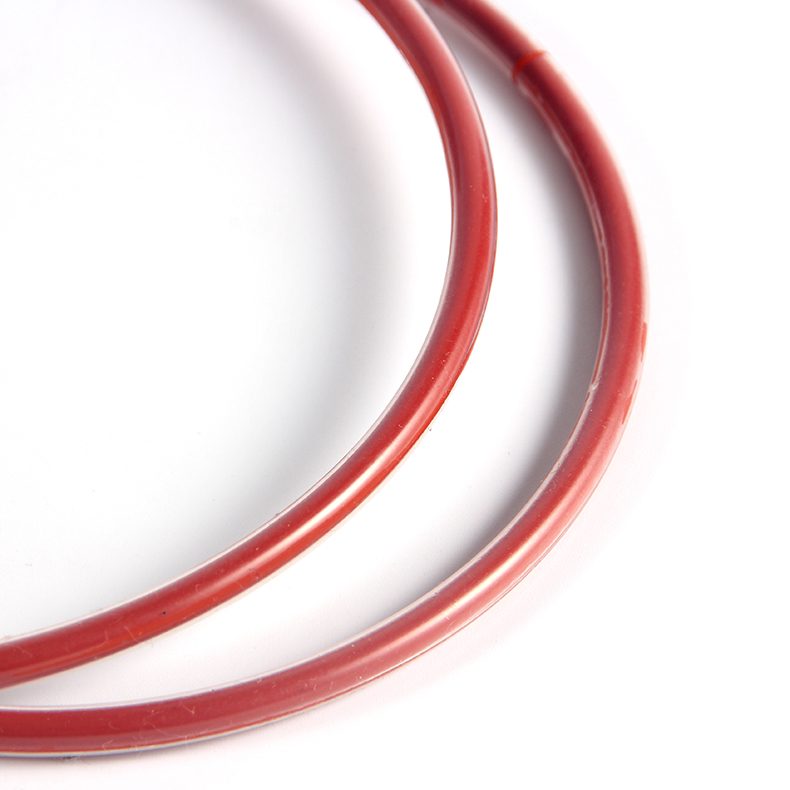
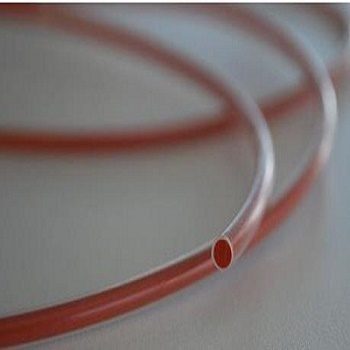
A seamless FEP or PFA jacket over a resilient silicone or FKM core — the chemical and temperature resistance of a fluoropolymer with the spring-back of rubber. A cost-efficient alternative to FFKM for aggressive media.
- Seamless FEP/PFA encapsulation — no weld line to fail
- Elastomer core keeps sealing force where solid PTFE would cold-flow
- Low-friction jacket reduces wear on mating hardware; very low gas permeability
- USA and metric cross-sections; nearly unlimited diameters
- FEP resists virtually all chemicals (except alkaline metals, fluorine and some halogenated compounds at high temperature)
Encapsulation & Core Options
Choose the jacket for chemistry and temperature, the core for resilience.
| Option | Detail |
|---|---|
| FEP encapsulation | Standard choice to 205°C (260°C short term) — resistant to virtually all chemicals |
| PFA encapsulation | For service above 205°C — to 260°C (300°C short term) |
| Silicone core · 70A | General-purpose resilience |
| FKM core · 70A | Higher compression-set resistance |
| Hollow silicone core · 75–80A | Softer — for lower clamping force |
Where It’s Used
Where chemistry kills ordinary rubber.
Chemical Processing
Strong acids, alkalis and solvents — pipelines, filters, pressure vessels.
Pharmaceutical & Food
CIP/SIP cleaning, valves and reaction vessels.
Semiconductors & Instruments
High-purity fluid and analytical equipment.
Oil & Gas
Sour service and high-temperature wells.
Valves & Pumps
Seats and stem seals in corrosive service.
Food & Beverage
High-temp, chemical-resistant seals for CIP lines.
Encapsulated O-Ring FAQ
Solid PTFE cold-flows under load and loses sealing force. The elastomer core in an encapsulated O-ring keeps constant spring-back for a long-term seal.
Standard cross-sections run economically at moderate volumes; custom sizes are quoted per drawing — ask us.
FEP covers applications up to 205°C and is the standard choice. Choose PFA when service runs above 205°C — it carries the same chemical resistance to 260°C (300°C short term).